3-Day Urumqi-Turpan Itinerary
This 3-day tour explores Urumqi and Turpan’s cultural and natural highlights. Day 1 visits UNESCO’s Tianchi Lake (1,910m alpine lake), Xinjiang Museum (40,000+ artifacts), and the illuminated International Grand Bazaar. Day 2 travels to Turpan by high-speed rail to see Flaming Mountains (47.8℃ summer heat), Tuyugou Canyon’s red cliffs, and 5th-century Bezeklik Thousand Buddha Caves. Day 3 includes the Karez Well irrigation system (ancient engineering), Jiaohe Ancient City (2,000-year-old adobe ruins), and Sugong Minaret (Islamic architecture). Travel tips: adjust for 2-hour time difference, pack layers for temperature swings (desert heat to mountain cool). Transportation: Urumqi’s Diwopu Airport and Turpan’s railway/airport connect to major cities.
Included with every escorted tour
Day 1: Urumqi
Tianchi Lake — Xinjiang Uygur Autonomous Region Museum — International Grand Bazaar
4-Stars Hotel
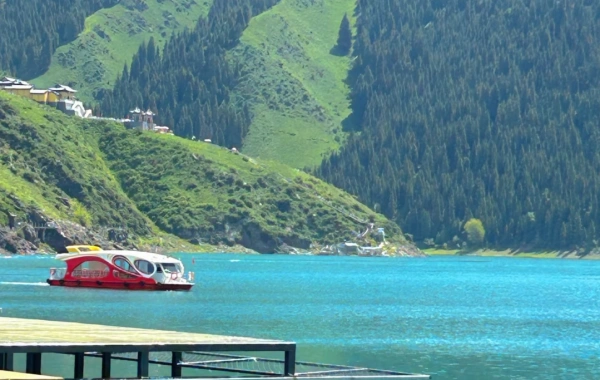
In the morning, you will drive to Tianchi Lake, a UNESCO World Heritage Site. Nestled at the northern foot of Bogda Peak in the eastern Tianshan Mountains, this natural alpine lake sits at an altitude of about 1,910 meters. Surrounded by snow-capped mountains, its crystal-clear blue waters offer cool summer retreats and transform into a natural ice rink in winter. Take the scenic shuttle bus to explore spots like Shimen Gorge and Longtan Lake, then arrive at the lakeshore. Optionally take a paid boat tour or stroll along the shore to admire the mountain-lake scenery and surrounding snow-capped peaks and forests.
Notes:
Altitude: Due to the high elevation, dress warmly, apply sunscreen, and avoid strenuous exercise. –
Environment: Protect the eco-system; no littering.
Weather: Mountain weather is changeable; bring rain gear and warm clothing.
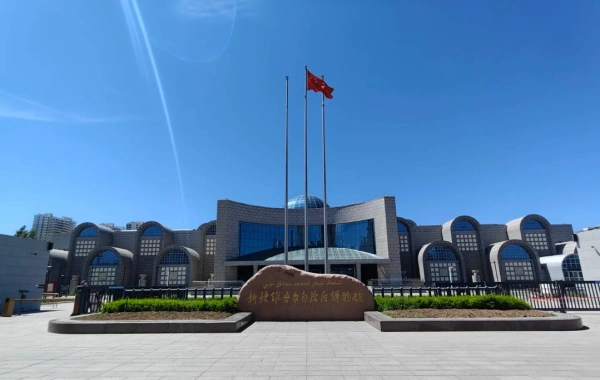
In the afternoon, return to Urumqi from Tianchi Lake and visit the Xinjiang Uygur Autonomous Region Museum. Housing over 40,000 cultural relics and specimens, including nearly 400 national first-class relics (accounting for 60% of Xinjiang’s total first-class relics), highlights include the “Five Stars Rising in the East for China” silk armguard, Han-Tang silk fabrics, ancient woolen textiles, bronze wares with Scythian cultural features, and ancient mummy specimens. The museum’s exhibits span historical, folk customs, ancient corpse, revolutionary history, and special theme halls. In the evening, head to the Xinjiang International Grand Bazaar, stunning under night lights. Climb the Silk Road Observation Tower for panoramic views of Urumqi and the bustling bazaar. Sample Xinjiang specialties like hand-pulled noodles, lamb skewers, and nang bread in the food street, shop for handicrafts and dried fruits, and watch folk performances to experience Xinjiang’s warmth and vitality.
Xinjiang Cuisine Recommendations:
Hand-pulled rice, laghman noodles, baked buns, red willow lamb skewers, big plate chicken, spicy chicken, nang bread, and nut cake.
Travel Tips:
Transportation: Strict speed limits apply in Xinjiang, with section speed monitoring on some roads. Avoid speeding if self-driving.
Time Difference: Xinjiang is 2 hours behind Beijing Time; adjust your schedule accordingly.
Network Signal: Good coverage in cities and scenic areas, but remote mountains and deserts may have no signal. Download offline maps and carry a power bank.
Temperature: Large day-night temperature variations; pack warm clothing.
Day 2: Urumqi--Turpan
Urumqi – Turpan (High-Speed Rail) – Flaming Mountains (Scenic Drive) – Tuyugou Grand Canyon – Bezeklik Thousand Buddha Caves
4-Stars Hotel
Breakfast
After breakfast, depart Urumqi and take a high-speed rail to Turpan (1 hour). Drive through Flaming Mountains Grand Canyon towards Tuyugou.
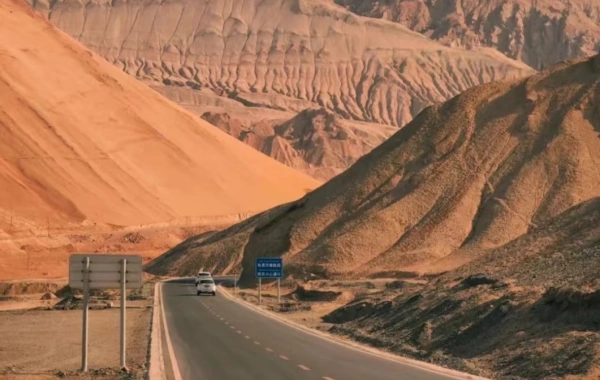
Flaming Mountains – China’s hottest spot, with summer temperatures reaching 47.8°C and surface heat up to 82.3°C (hot enough to cook eggs in sand). Named for its scorching climate and rust-red sandstone glowing like fire under the desert sun, it’s a symbolic Turpan landmark. Immortalized in Journey to the West as the barrier where Tang Sanzang’s pilgrimage was blocked (requiring Sun Wukong to borrow the Banana Fan thrice), the mountains feature mythic sites: the “Horse-Tying Stake” rock pillar at Shengjin Pass, Tang Sanzang’s “Mounting Stone,” and “Piggy Stone” resembling Zhu Bajie.
Tuyugou Grand Canyon – Located on the southern foot of eastern Flaming Mountains, this canyon’s iron oxide-rich rocks glow crimson under the sun, resembling burning flames. Stretching 9km from Subashi Village to Mazha Village, it’s the most spectacular part of Flaming Mountains, with an 831.7m peak and 1km average width.
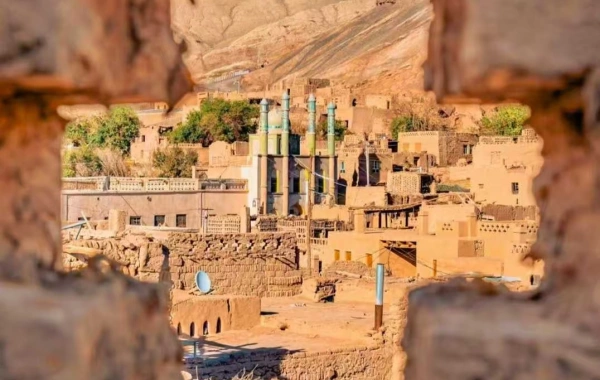
Drive up the Flaming Mountains’ cliffside to Mazha Village in Tuyugou – Xinjiang’s oldest Uyghur settlement (1,700+ years old). Known as a “living fossil of folk customs,” it preserves ancient adobe architecture and traditional Uyghur culture, showcasing the brilliance of “yellow clay culture.”
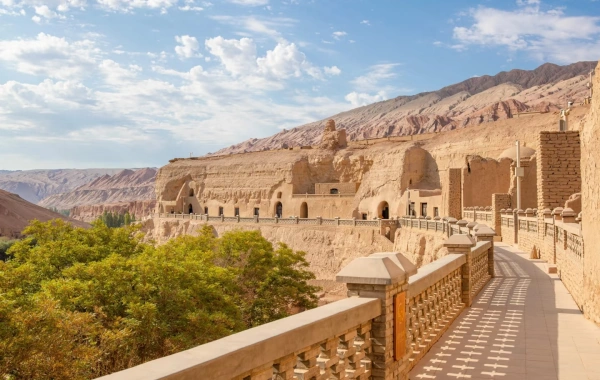
Continue to Bezeklik Thousand Buddha Caves on the western cliff of Mutougou Valley (middle Flaming Mountains). Carved in the 5th–6th century during the Qu Shi Gaochang Kingdom (Northern and Southern Dynasties to Tang), it thrived in the Gaochang Uyghur period (9th–13th century), representing ancient Gaochang Buddhist art. The 83 surviving caves (40+ with murals) are built in three tiers: upper stupa area, middle worship zone, and lower living quarters, featuring rectangular vaulted and central pillar caves.
Day 3: Turpan Departure
Karez Well System – Jiaohe Ancient City – Sugong Minaret – Departure
Breakfast
Karez Well System – Explore this ancient underground irrigation network, dating back thousands of years, which transformed barren desert edges into lush oases. Honored as one of China’s Three Great Ancient Engineering Wonders (alongside the Great Wall and Grand Canal), it was listed as a UNESCO World Irrigation Heritage in 2024. The system channels spring/summer rainwater, glacier melt, and snowmelt through natural mountain slopes via underground canals, meeting desert regions’ water needs for agriculture and daily life.
Jiaohe Ancient City – With a 2,000+ year history, this is the world’s largest, best-preserved adobe city and China’s most intact urban ruin. Once the seat of the Anxi Protectorate (Tang Dynasty’s highest military-administrative body in Western Regions), it was initially the capital of the Cheshi Qian Kingdom (one of 36 Western Regions states). Strategically located on the Silk Road’s northern route, it was a contested frontier between the Han Dynasty and Xiongnu. Designated a National Key Cultural Heritage Site in 1961.
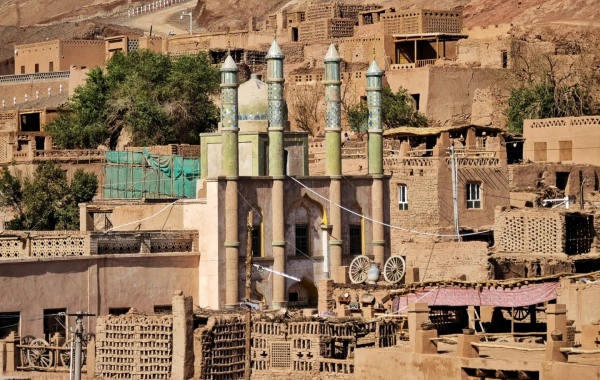
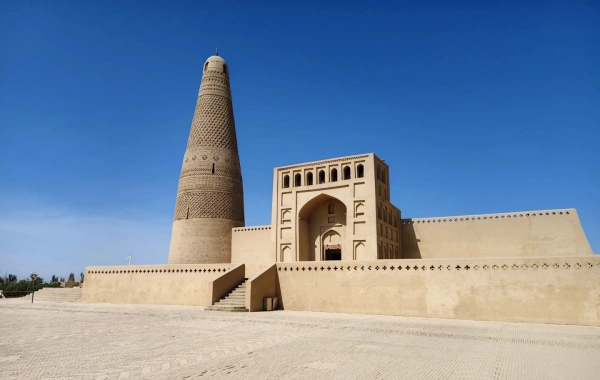
Sugong Minaret – Xinjiang’s largest existing Islamic tower, built by Sulaiman (son of Turpan Prince Emin Khoja) to demonstrate loyalty to the imperial court and devotion to Allah. The 44m gray-brick minaret (10m base diameter) tapers to a conical top with a domed ceiling and iron ornament. Its facade features 15 traditional Uyghur geometric patterns (diamond, mountain, wave, and four-petal motifs) in embossed brickwork, embodying Islamic architectural style. During Eid al-Fitr and Eid al-Adha, Muslims gather here for religious ceremonies and blessings.
Safe travels, and we hope to see you again for your next adventure!
Transportation Tips
Urumqi:Diwopu International Airport serves as Xinjiang’s primary aviation hub, connecting domestic/international flights and Central Asian routes. Rail options also link Urumqi to major Chinese cities.
Turpan:Turpan Jiaohe Airport (4E-class) offers flights to Beijing, Chengdu, Xi’an, Guangzhou, etc. Trains provide alternative transport to nationwide destinations. Consult Intoexplore advisors for personalized travel arrangements.