5-Day Tibet Autumn Itinerary for Photographers
Capture Tibet’s autumn magic: golden forests, snow-capped peaks, and sacred monasteries. From Lhasa’s Potala Palace to Yarlung Tsangpo’s canyons, this itinerary offers sunrise vistas, nomadic encounters, and starry skies. Perfect for photographers seeking vibrant hues, cultural depth, and epic landscapes.
Included with every escorted tour
Day 1: Arrive in Lhasa
● Arrive in Lhasa and transfer to the hotel–Free Activities
● 4+stars Hotel
● None
After arriving at Lhasa Gonggar Airport, a private car will take you to your hotel (about 1 hour drive). Check in at the hotel.
High Altitude Adjustment:
Today is for rest and adjusting to the 3,650m altitude. It’s recommended to stay in bed, eat small meals more often, and avoid heavy activities.
Tips:
Don’t take a shower or drink alcohol on the first day to reduce the risk of altitude sickness
Bring glucose drink, sunscreen, and lip balm
Why visit Tibet in September–October?
Fewer crowds, better prices: Summer tourists leave, flight and hotel prices drop by 30%
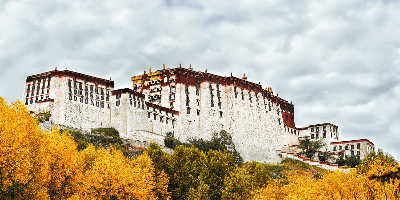
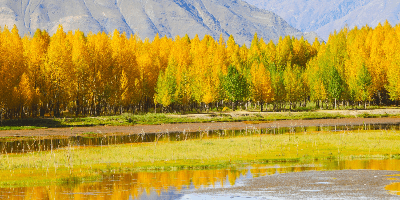
Best autumn colors: Forests in Nyingchi turn golden, orange, and purple, with snow mountains and lakes—perfect for photos
Stable weather: Less rain, over 70% sunny days, and clear views
Day 2: Lhasa - Linzhi
● Lhasa – Kading Valley – Nyang River Scenery – Yarlung Tsangpo Grand Canyon
● 4+stars Hotel
● Breakfast
Departing Lhasa early, the drive to Linzhi unfolds like a scroll of autumn poetry. Your first stop is Kading Canyon, a geological marvel where a 200-meter-tall waterfall cascades over ancient rocks, framed by fiery maple leaves that turn the cliffside into a living mosaic. Look closely—a natural rock formation resembling a Buddha’s profile is said to bless visitors with luck.
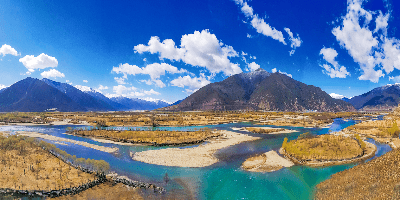
Continuing east, the Nyingchi River parallels the highway, its emerald currents flanked by golden poplar forests. This is a prime spot for reflections; position your camera low to mirror the sky and trees in the water. Keep an eye out for yak herds grazing near riverbanks—their dark forms contrast beautifully with the golden hues.
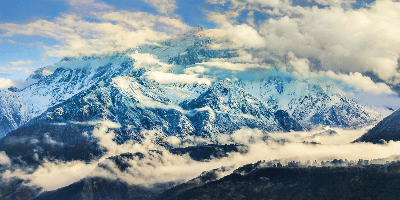
The day culminates at the Yarlung Tsangpo Grand Canyon, the world’s deepest canyon (5,382 meters at its deepest point). Here, the river carves through Himalayan rock, surrounded by mist-shrouded valleys and the snow-capped peaks of Namjagbarwa (7,782m). Set up camp near the canyon rim for night sky photography—the Milky Way arches vividly over these ancient lands, unobscured by light pollution
Recommended Activity: Use a polarizing filter to reduce glare on waterfalls; rent a trip
Day 3: Linzhi
● Suosong Village – Sejila Mountain Pass – Lulang Forest – Lulang Town
● 4+stars Hotel
● Breakfast
Rise before dawn to capture Namjagbarwa Peak’s sunrise from Suosong Village. This “shy mountain” is rarely visible, but autumn’s clear skies offer a 60% chance of success. The peaks glow pink as sunlight spills over the Himalayas—a sight locals call “the gods awakening.”
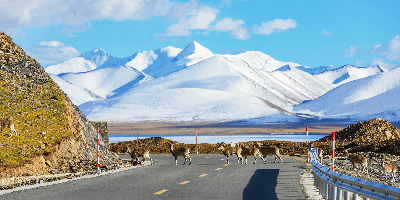
Crossing Sejila Mountain Pass (4,728m), prayer flags flutter in the wind beside autumnal larches. Pause to hang your own prayer flag at the pass, a tradition believed to send wishes into the heavens. The panorama stretches to Mount Gyala Peri (7,294m), its glaciers glinting in the distance.
Descend into Lulang Forest, a 30-square-kilometer “sea of clouds” where morning fog clings to cypress and spruce trees. Macrophotographers will delight in the moss-covered ground, dotted with orange lichen and fallen ginkgo leaves. Rent a Tibetan costume (¥50/hour) for portraits amid the fairy-tale scenery.
End at Lulang Town, dubbed “Little Switzerland” for its alpine chalets. Try horseback riding through flower meadows or archery—a traditional Tibetan sport requiring precision and patience.
Recommended Activity: Use a telephoto lens to compress layers in forest scenes; rent Tibetan attire for portrait sessions.
Travel Tip: Sejila Pass is windy—wear a hat and sunglasses.
Day 4: Linzhi - Lhasa
● Jieba Village – Xincuo Countryside View – Sangtong Pasture – Return to Lhasa
● 4+stars Hotel
● Breakfast
Venture into the Basum Lake region, starting at Jieba Village. This untouched hamlet offers a glimpse of rural Tibet: wooden farmhouses with barley fields, elderly women spinning wool, and the occasional black-necked crane wading in wetlands.
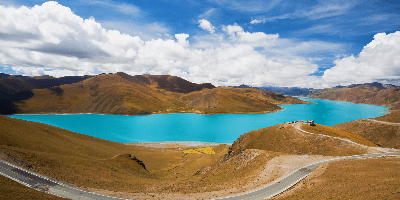
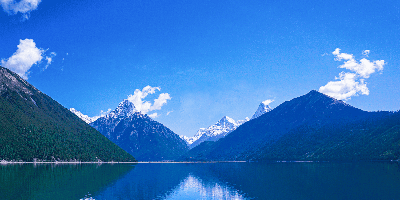
A 3km trail leads to Xincuo Lake, a turquoise jewel nestled at 3,800m. Autumn transforms the surrounding grasslands into a tapestry of gold and amber, while yaks graze near the shore. Drone pilots can capture the lake’s mirror-like surface reflecting the snowy peaks beyond.
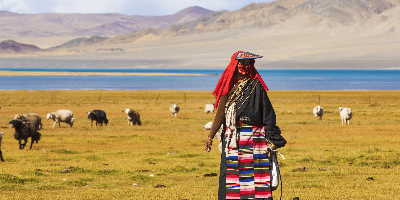
Returning via Sangtong Pasture, you’ll encounter nomadic tents where families brew yak-butter tea. Strike up a conversation—the herders may invite you to photograph them milking yaks or crafting tsampa (roasted barley flour). Return to Lhasa in the evening.
Recommended Activity: Fly a drone over Xinco Lake for aerial views; interact with nomads for candid shots.
Travel Tip: Wear waterproof hiking shoes for muddy trails.
Day 5: Lhasa Departure
● Potala Palace – Barkhor Street – End of tour
● None
● Breakfast
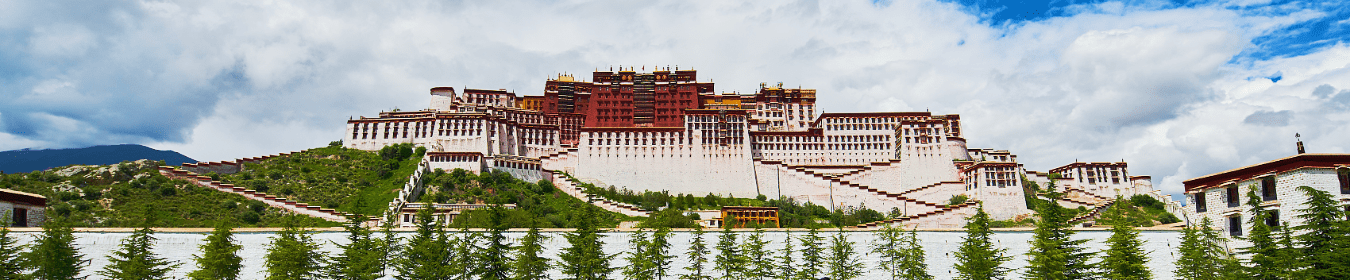
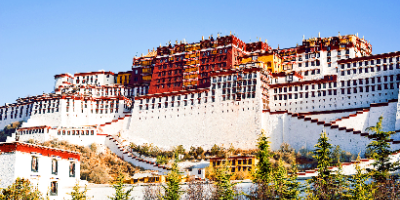
Your final day begins at the Potala Palace, a 14th-century marvel of red-and-white towers housing 10,000 murals and 200,000 statues. Focus on details: the intricate mandala carvings in the chapels, the golden burial stupas of Dalai Lamas, and the panoramic view from the palace’s rooftop overlooking Lhasa.
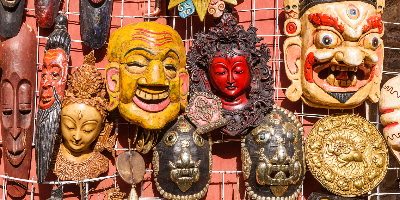
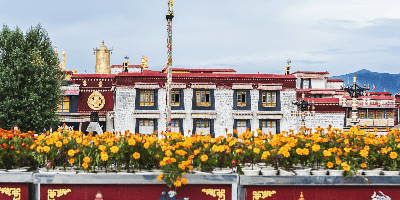
Spend the afternoon at Barkhor Street, a 1,300-year-old pilgrimage circuit. Bargain for turquoise jewelry (haggling is expected!) or sample tsampa skewers from street vendors. Transfer to the airport for departure. End of Itinerary — Safe travels and happy shooting!
Recommended Activity: Use a wide-angle lens for palace interiors; photograph street vendors and monks.
Travel Tip: Reserve Potala Palace tickets in advance; respect photography rules (no flash indoors).